
Located about two hours from Paris, Normandy is one of the most accessible regions for those wishing to explore France beyond the capital. In winter, this proximity makes short journeys easier and allows visitors to discover the coastline, historic towns and rural countryside at a slower pace, away from the intensity of large cities.
Outside the high season, places become more accessible and the experience more fluid: museums, abbeys, historic centres and coastal villages can be visited calmly, with breaks in cafés, restaurants and local markets along the way.
Below, we share practical recommendations (what to wear, how to get around, how to set the pace) and ideas for visiting three regions that truly shine in colder months: Normandy, Champagne and Brittany. This type of trip works especially well for couples, families and small groups — particularly when landscape, heritage and comfort are carefully balanced.
1) What winter is like in these regions (and why it changes your itinerary)
Normandy generally has a wetter and relatively mild winter, with changeable skies and maritime winds — the kind of weather that makes the coastline dramatic and photogenic, but calls for thoughtful planning in terms of clothing and timing.
Brittany follows the same coastal logic: wind, ever-moving skies and a strong culture of well-being connected to the sea (thalassotherapy, spas and cosy addresses).
Champagne, being more inland, tends to be colder — ideal for visiting cellars, enjoying gastronomy and planning well-chosen urban programmes.
The key adjustment for winter travel is to plan with two layers:
- Plan A (clear weather): viewpoints, cliffs, short walks, villages.
- Plan B (rain or wind): museums, wine cellars, abbeys, gastronomy, spas.
2) What to pack: the winter kit that really works
The golden rule is layers + waterproof outerwear + the right footwear. Locals rely on simple but essential items: waterproof shoes with non-slip soles (cobblestones can be slippery), gloves, a hat and a scarf.
A winter travel checklist also highlights the importance of weather protection (windproof or waterproof jacket), a warm coat and thermal accessories.
Our practical list (no excess):
- 1 waterproof coat (ideally with a hood) + 1 warm layer (wool or cashmere)
- 2 thermal base layers to alternate
- Comfortable, waterproof closed shoes (ideally with good grip)
- Warm socks (often more effective than extra layers)
- Hat, scarf and gloves (touchscreen-friendly gloves are useful for phones and cameras)
- A compact umbrella (though on windy days, a hood works better)
- For wellness lovers: a swimsuit for spa or thalassotherapy visits (a real bonus on rainy days)
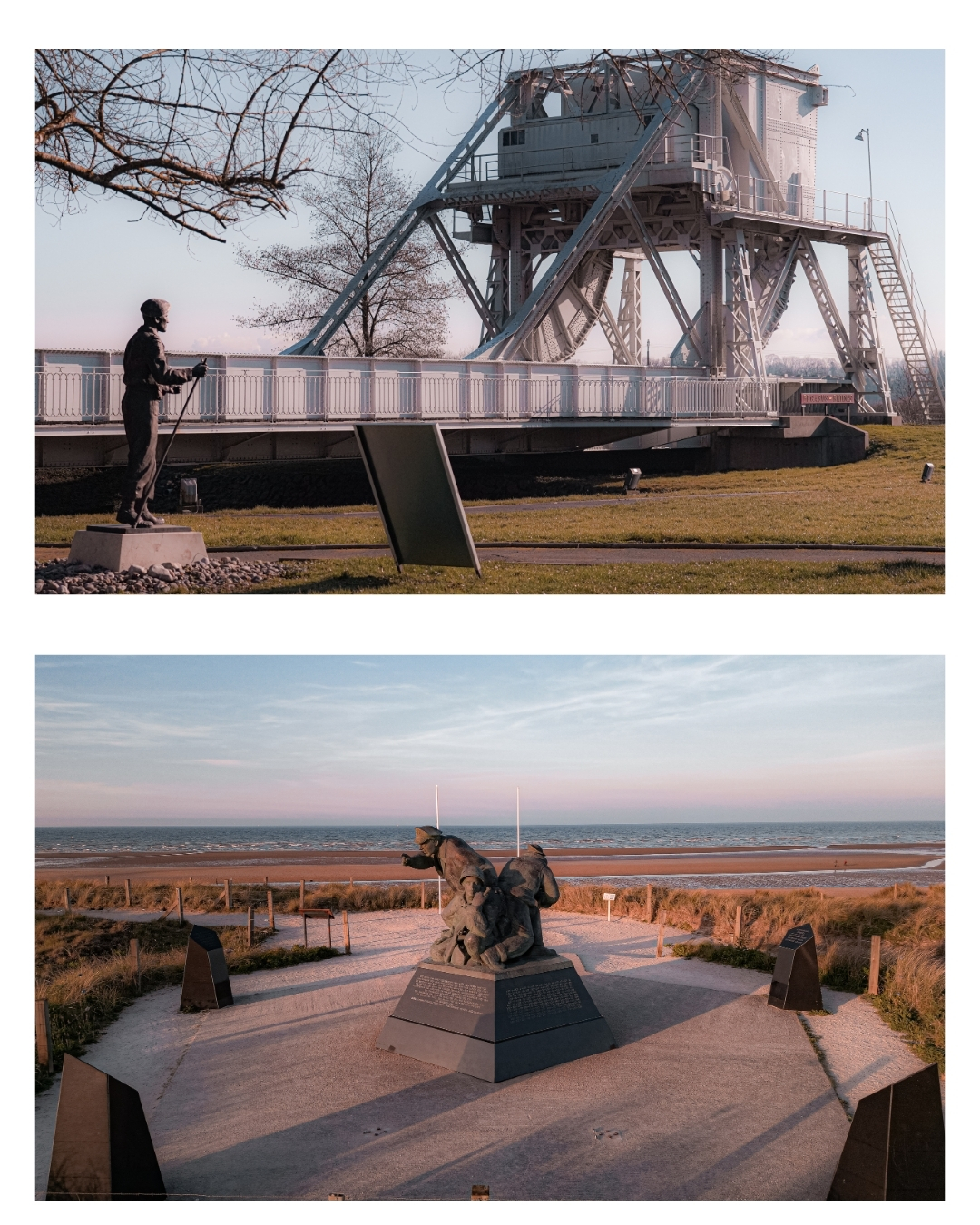
3) Normandy in winter: cliffs, abbeys and historic towns at an unhurried pace
Outside the high season, Normandy settles into a gentler rhythm. A frequent retreat for Parisians, the coastline and historic towns reveal a different side of the region, far from summer crowds, in a quieter, more contemplative and deeply authentic atmosphere.
What we suggest in practice:
- Coastline and cliffs: windy days create striking landscapes (choose accessible and safe viewpoints). In Étretat, for example, winter visits often focus on short walks, the village, covered markets and the classic cliff viewpoints.
- Historic towns (ideal in light rain): Rouen, Caen and coastal towns are perfect for slow walks, with time to step in and out of cafés and museums.
- Heritage and spirituality: winter suits abbeys, basilicas and indoor visits particularly well (beautiful light and a reflective atmosphere). In itineraries that include Lisieux, for instance, days can be organised around history and quiet observation, without relying on good weather.
Golden tip (pace): in winter, plan fewer daily transfers and spend more time in two or three bases. This makes the journey more comfortable and enjoyable.
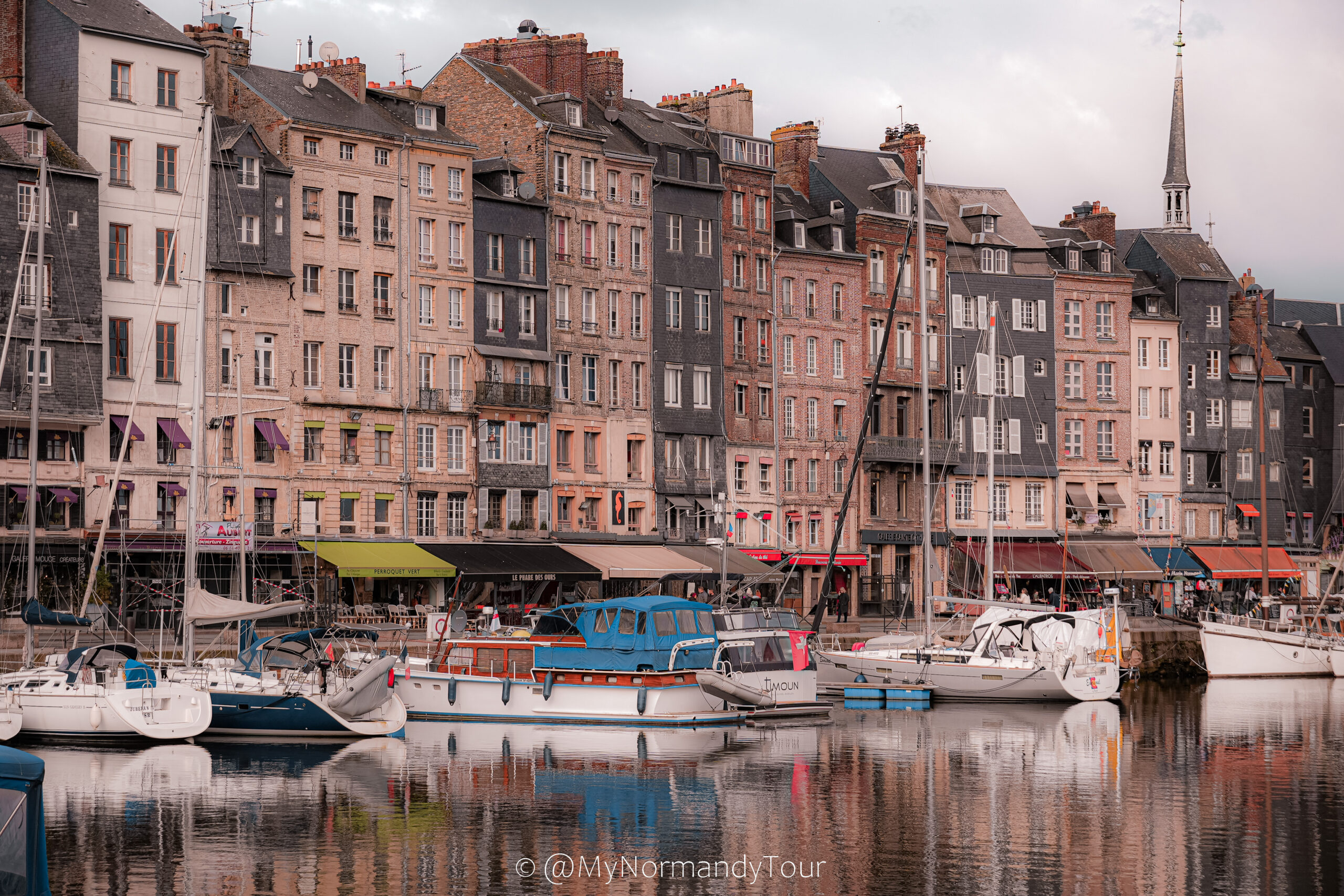
4) Champagne in winter: cellars, Reims and the Route du Champagne
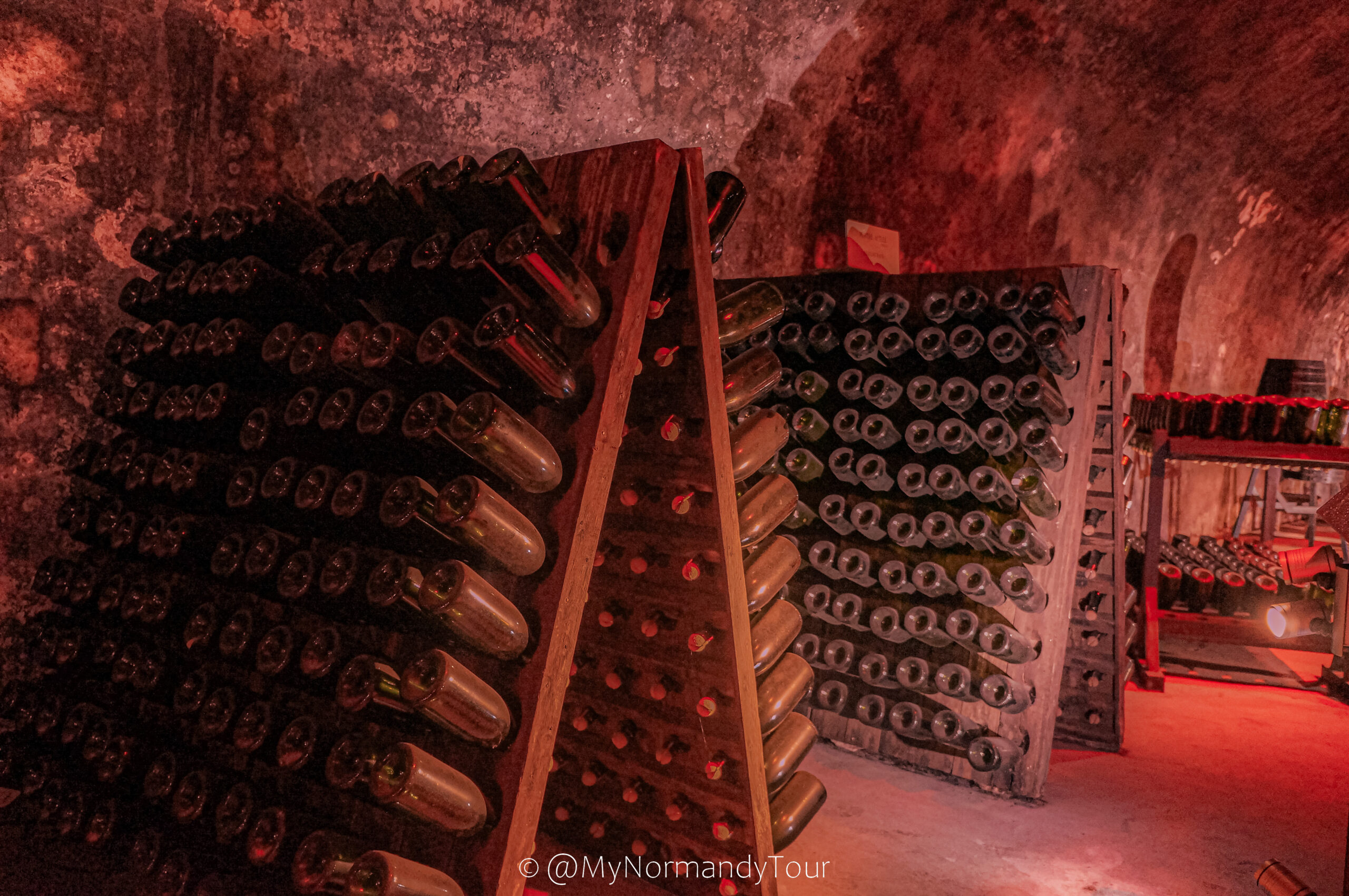
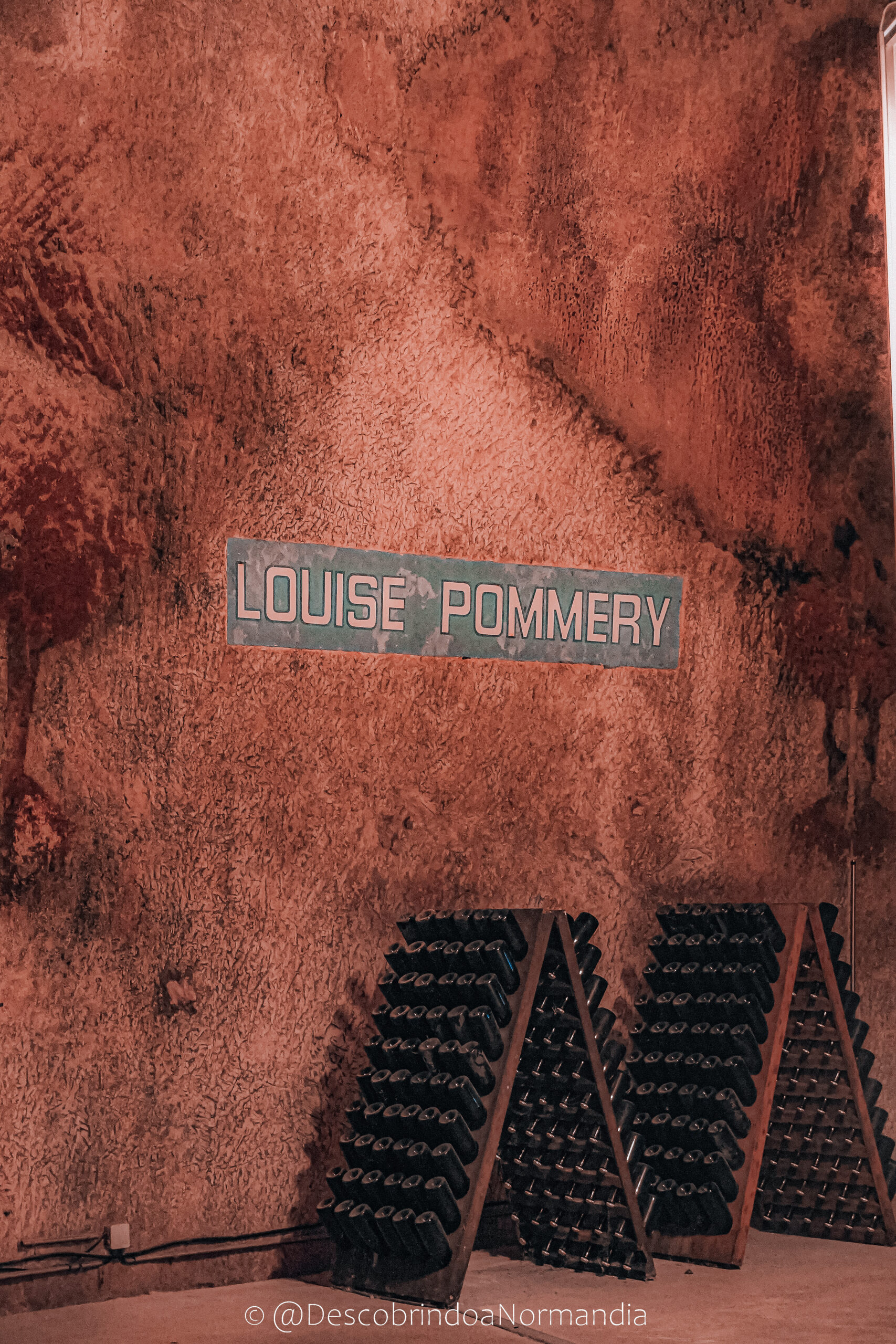
Champagne is particularly well suited to winter, as much of its appeal lies underground — in its cellars — and at the table. In Reims alone, it is estimated that there are more than 120 km of underground cellars carved into the chalk. When combined with the galleries of Épernay and nearby villages, this network reaches around 250 km, forming a vast underground world protected from the cold and ideal for winter visits.
What we suggest:
- Reims can be explored comfortably in half a day or a full day. Beyond the cathedral and historic centre, the city is home to some of Champagne’s most renowned cellars, open for visits and tastings.
- Épernay + Route du Champagne: combine cellar visits with viewpoints and villages when the weather allows. Between Reims and Épernay, classic stops include Hautvillers and several scenic villages.
- Walking through the history of French kings: for those wishing to deepen their stay in Reims, following sites linked to royal history is a natural choice. For nearly eight centuries, the city hosted the coronations of French kings, a tradition embodied by the imposing Notre-Dame de Reims Cathedral, a masterpiece of Gothic architecture and a UNESCO World Heritage site. Nearby, the Palais du Tau — former residence of the archbishops and reception place for kings during coronation ceremonies — completes the visit and helps bring these historic rituals to life.
Brittany and the Bay of Mont-Saint-Michel in winter
In winter, Mont-Saint-Michel is often associated with short walks, cultural visits and moments of quiet observation. The lower winter light enhances the volumes of the abbey and changes rapidly throughout the day, with colour variations that are especially noticeable in the late afternoon.
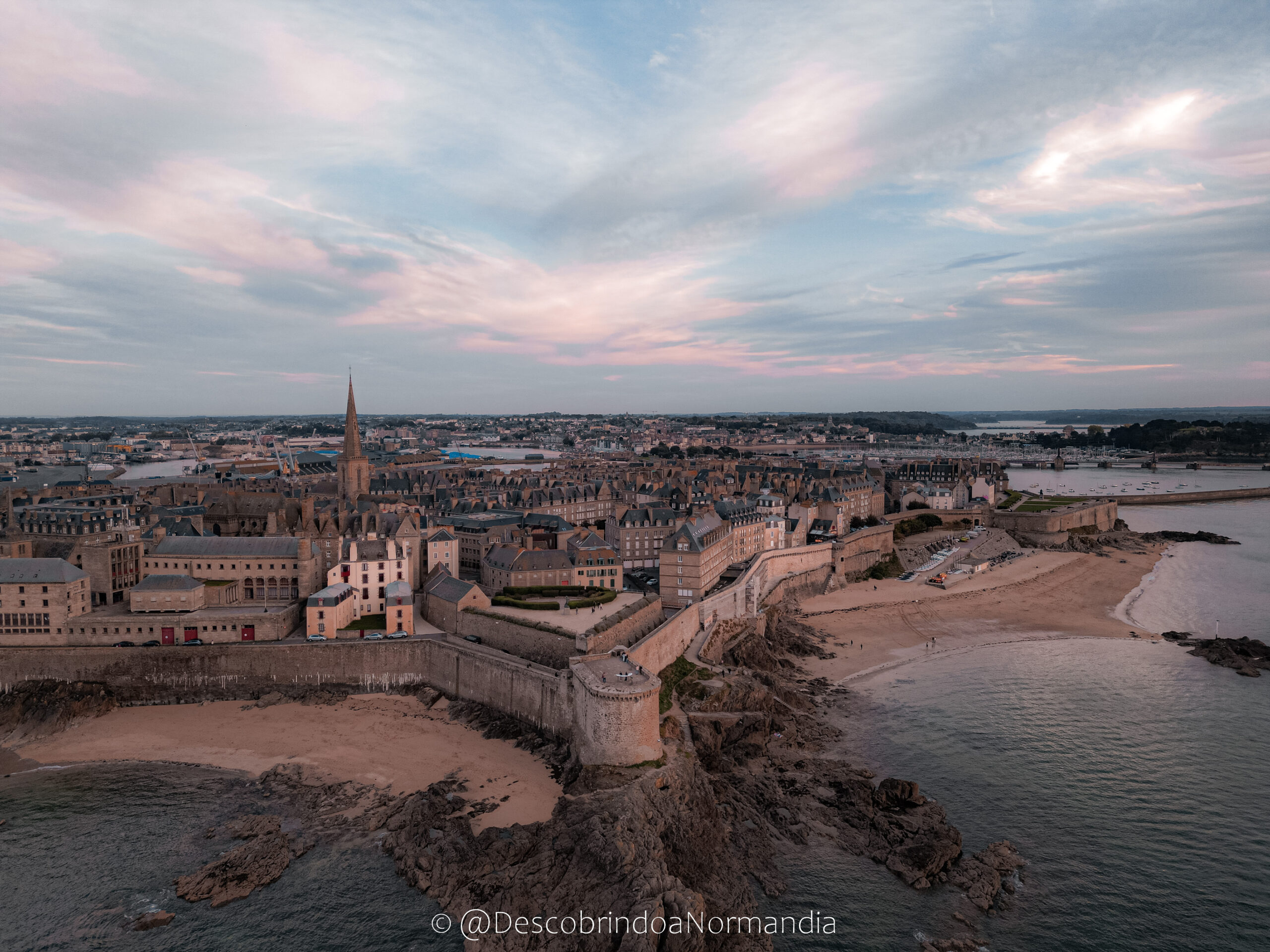
Further north, Saint-Malo retains its strong maritime character year-round. In winter, the intra-muros city is ideal for walking: the circuit along the ramparts, the sound of waves against the stone walls and the narrow streets create a distinctive atmosphere, closer to everyday local life.
Walks are naturally punctuated by stops in cafés and restaurants, where gastronomy plays an important role. Winter is an excellent season for seafood, fish soups and hearty dishes, enjoyed in warm, welcoming interiors, far from the bustle of summer.
Saint-Malo also works well as a base for short winter stays, combining urban walks, cultural visits and moments of rest. The city remains lively, but at a calmer pace, allowing for a more direct and unhurried discovery of the Breton coast.
7) How My Normandy Tour organises its itineraries
Itineraries are always adapted to each traveller’s pace, respecting personal preferences, available time and travel style. At the same time, planning takes into account weather conditions and the weekly forecast, adjusting the order of visits when needed.
This flexibility makes it possible to enjoy each region more fully, alternating outdoor visits with indoor programmes, ensuring a smooth and comfortable experience regardless of the season.
À bientôt en Normandie, en Champagne ou en Bretagne.